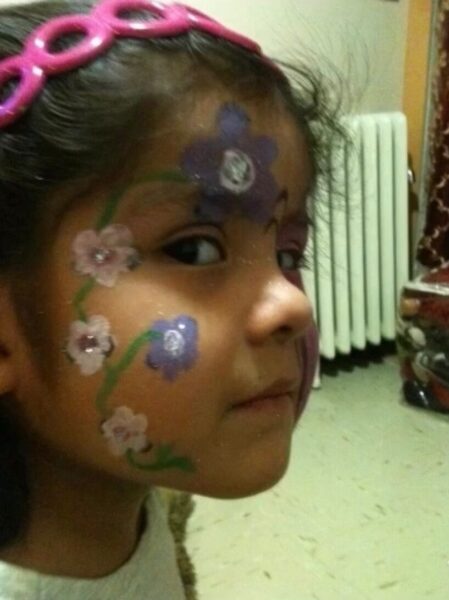
Many people grow up speaking more than one language, allowing them to experience multiple cultures, and different ways of thinking. Immigrant children, specifically those of Mexican heritage often grow up in a bilingual household. Consisting of one’s parents speaking in Spanish while their children respond in English. This commonly happens because schools and American society prioritize English which makes parents unconsciously allow it to dominate their native language in order to help their children succeed academically and socially. Eventually, children who had known Spanish as their first language lose fluency in speaking Spanish which creates a gap between them and their cultural roots and family traditions. This overall creates issues with learning and feeling comfortable in a new language while also struggling to stay connected to one’s roots, creating confusion in identity, sense of belonging and failing to connect with one’s family.
Parents play a crucial role in maintaining their children’s native language but many face difficult choices when raising bilingual children. In Mexican-American households, parents speak Spanish at home but they allow children to respond in English. This is because parents want their children to succeed academically and socially in a society where English is seen as far more important than Spanish. Over time, this decision can unintentionally create the loss of Spanish fluency. In the article, “The parents trying to pass down a language they hardly speak,” Kat Chow, American journalist and reporter, discusses this dynamic, noting that parents often gradually shift to English themselves, which results in children losing fluency in the heritage language and feeling disconnected from their cultural roots (Chow). Without consistent exposure or strong language modeling from their parents, children may rely almost entirely on English, further widening the gap between them and their cultural roots. Similarly, in the article “Parental perceptions of bilingualism and home language vocabulary: Young bilingual children from low-income immigrant Mexican American and Chinese American families” by Mak, Hammer, and Weiss it was found that parents who view bilingualism as important have children with stronger skills in their home language (NIH). Their study showed that positive parental beliefs about bilingualism were linked to children’s higher oral proficiency in their heritage language which reinforces the idea that parents’ attitudes play a key role in maintaining bilingualism.
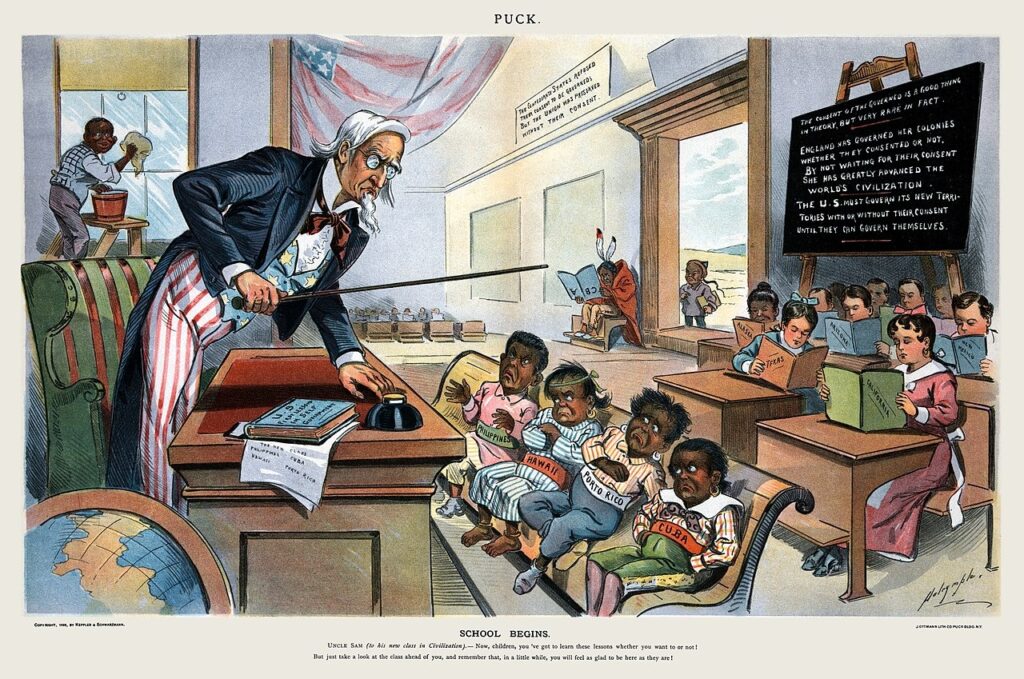
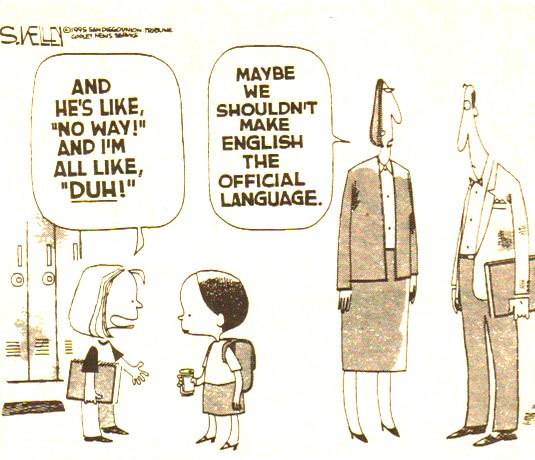
Similarly, another factor and cause of loss of language are the issues within schools. Teachers and the overall systems often choose which languages are more important and which are marginalized which often reinforces the dominance of English over student’s heritage languages. Students are then graded on their ability to read, write, and speak English, which creates pressure to prioritize English over their native language. In the article, “We Only Speak English Here”: English Dominance in Language Diverse Immigrant After-School Programs,” published 2017, they share how after-school programs are a useful and effective alternative because it provides spaces where students can use both English and their heritage language. Some after school programs where staff and students share similar language and cultural backgrounds, allow immigrants to speak their native language, discuss topics related to ethnic identity, and build trust and pride in their cultural heritage (Baldridge et al., 2011; Wong, 2010; Diversi & Mecham, 2005). These programs give students opportunities that are often missing in public schools which helps them maintain a sense of connection to their roots. However, many after school programs still do not have the necessary resources as well as the correct staff to support other languages and programs in diverse spaces because the staff may not share backgrounds with other students therefore failing to provide them with help.
Aside from parents and school’s decisions, the lack of fluency in one’s heritage language significantly affects Mexican-American children’s identity and sense of belongingness in their culture. Once children no longer speak Spanish naturally, they are left in the middle of two worlds that creates uncertainty as to who they are and where they belong. Studies indicate that language loss in heritage languages is typically linked to cultural disconnection and lower self-esteem in children who are bilingual. In the essay “An Identity Crisis for Children of Immigrants,” Jason Lopez clarifies that children tend to pull between parents duties and society’s responsibilities when they’re at school and in communities (Lopez). This internal conflict is further proved when children become less proficient in their home language, limiting the way they can communicate with family members and participate in cultural practices. The combination of language barriers and exclusion of heritage culture can result in confusion, tension, and feelings of not belonging. By showing these emotional and psychological implications, Lopez proves that the fight to sustain a heritage language is not just a communication issue but one related to identity and attempting to get to know oneself.
Ultimately, the loss of one’s heritage language as a second-generation immigrant is something more than a communication issue that impacts family dynamics, cultural identity, and individual identity. Parents with good intentions can unconsciously favor English so that the children can prosper, however it can result in a slow decline in native language usage.
Schools and institutions usually reinforce the trend by favoring English above everything else, not giving the students much chance to work on their heritage languages. This causes children to experience an identity crisis, be confused with two cultures and pulled away from their heritage. It calls for collaborative work between families and schools to maintain bilingualism and cultural awareness because the retention of a heritage language is not just for communication but also essential in the development of a healthy sense of identity, belonging, and pride in one’s ethnic heritage.
Works Cited
Chow, Kat. “The Parents Trying to Pass down a Language They Hardly Speak.” The Atlantic, 25 Sept. 2023, linguistics.illinois.edu/system/files/2023-09/The%20Parents%20Trying%20to%20Pass%20Down%20a%20Language%20They%20Hardly%20Speak%20-%20The%20Atlantic.pdf.
Gast, Melanie Jones, et al. ““We Only Speak English Here.”” Journal of Adolescent Research, vol. 32, no. 1, 27 Dec. 2016, pp. 94–121, doi.org/10.1177%2F0743558416674562, https://doi.org/10.1177/0743558416674562.
Mak, Emily, et al. “Parental Perceptions of Bilingualism and Home Language Vocabulary: Young Bilingual Children from Low-Income Immigrant Mexican American and Chinese American Families.” Frontiers in Psychology, vol. 14, 30 Jan. 2023, www.frontiersin.org/journals/psychology/articles/10.3389/fpsyg.2023.1059298/full, https://doi.org/10.3389/fpsyg.2023.1059298.Yaman, Daphne. “An Identity Crisis for Children of Immigrants.” Daily Trojan, 26 Jan. 2023, dailytrojan.com/2023/01/26/an-identity-crisis-for-children-of-immigrants/.

This entry is licensed under a Creative Commons Attribution-NonCommercial-ShareAlike 4.0 International license.

