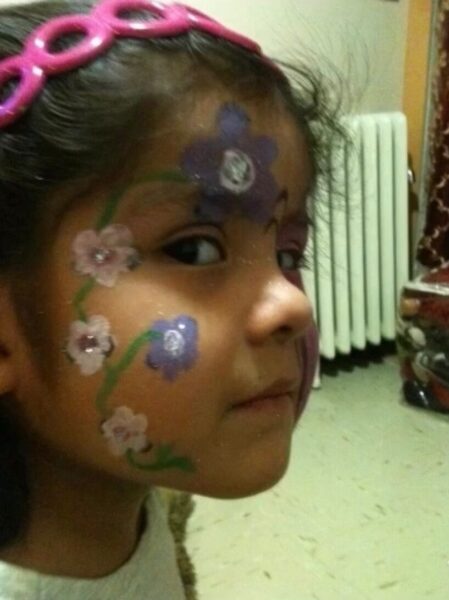
Before living in the Bronx, I had lived in Harlem for the first eight years of my life. My parents had immigrated from Mexico and started a new life in New York with my older sister and I. Since my parents were relatively new to America, they did not know how to speak fluent English. This meant that when I was younger they taught me how to speak Spanish, allowing me to know the language perfectly. At least this is what I was told by my parents. I faintly remember this period of my life because once I started school and was taught English, everything I knew went away. My parents did not make an effort to continue teaching me Spanish because once I started school they were already able to understand English, meaning there was no barrier when communicating with each other.
Once I moved to the Bronx and started at a new school, the issues I thought I did not have presented themselves in other ways. In the fourth grade, I failed the ESL test, English as a Second Language, and had to take classes for a school year. This required me to take time out of my main classes to learn elementary school English. The problem was, I spoke and knew perfect English. In a way I felt like I was placed back in the time, having to learn a language I already knew, it felt less like learning and more like I was asking to be heard and seen. Though I do not recall having to learn English when I was younger, it felt like I was starting over, to me it meant that all the progress I had done was for no reason.
One thing everyone that may perceive me knows is that I am a very quiet person. My whole life I have isolated myself away from my family, trying to make friends, and participating in class. Eventually I realized that I did not fail the ESL test not because I did not know English, but because I was anxious and nervous. Nevertheless there was nothing I could do and so I continued taking the course. I sat in the gym amongst the scattered chairs and tables with the other non English speaking students. On a speaker a teacher would play basic English words such as “he” and “she” or “person,” “time,” “day,” “thing.” I felt embarrassed, discouraged and mostly, like it was a waste of time. When I would go back to class and my friends would ask “where were you” I would simply respond by saying “I was in a meeting.” When that became too overused I eventually told my closer friends, not realizing others were overhearing. When the word spread I noticed a shift in others behavior towards me. I felt judged and alone, except I wasn’t, I finally noticed what the other ESL students were facing. For so long I had been focused on how out of place I felt that I hadn’t taken time to understand what was happening around me. I failed to see the frustration of the students around me, those who were actually trying to learn a new language.
I stopped looking at my time in ESL as something negative that had happened to me and saw it as something that I had lived with others. While our experiences may have been completely different we all shared similar difficulties. What I eventually learned was that language is complicated, it wasn’t just about what you spoke or understood but about how others perceived you. There are so many assumptions attached to English such as the need for it to be perfect. Seeing firsthand what immigrant students faced allowed me to realize and learn the importance of getting to know others, learning about them, their family, and who they are, because a person is far more than the “broken” English they speak. I realized that while language is often something that separates individuals you can choose to allow yourself to connect through it instead.
My mother would say “No le pongas atencion alas otros, es tu vida” and while others may not have understood what she meant, I did, and that was the best part about it. Ultimately, while I may have lost my Spanish and even my English, I have always been myself, had my own language, and expressed who I am, even in silence.
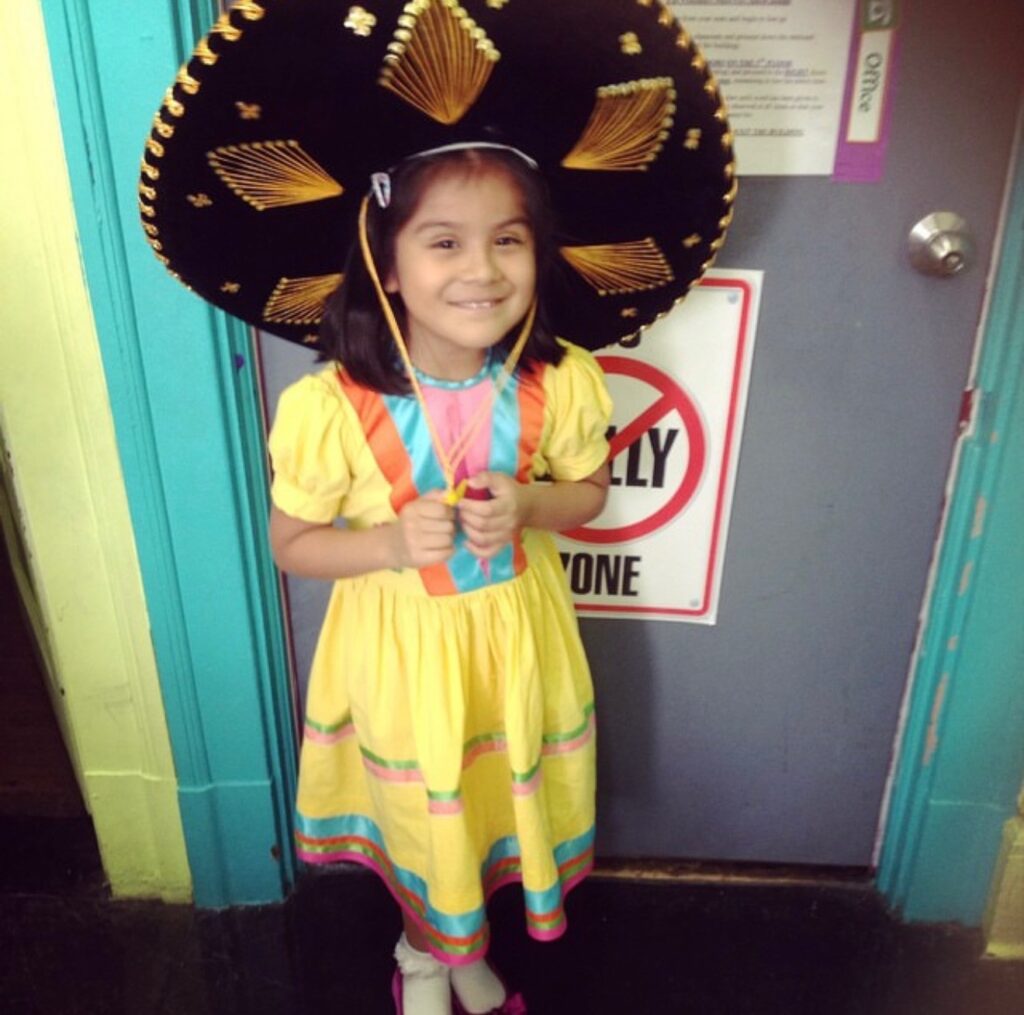
Translation 1

This entry is licensed under a Creative Commons Attribution-NonCommercial-ShareAlike 4.0 International license.

